How long will this last?
7
days when stored properly
Refrigerator
Storage location
32–34°F
Temperature
High / Moist
Humidity
Ethylene sensitive. Heads up — this item is sensitive to ethylene gas. Keep it away from bananas, apples, and tomatoes.
Pro tip
Do not wash until ready to eat — moisture dramatically accelerates mold. Remove any moldy berries immediately. Store in a single layer if possible, or keep in the original ventilated container. Bring to room temperature for 20–30 minutes before eating for best flavor.
About
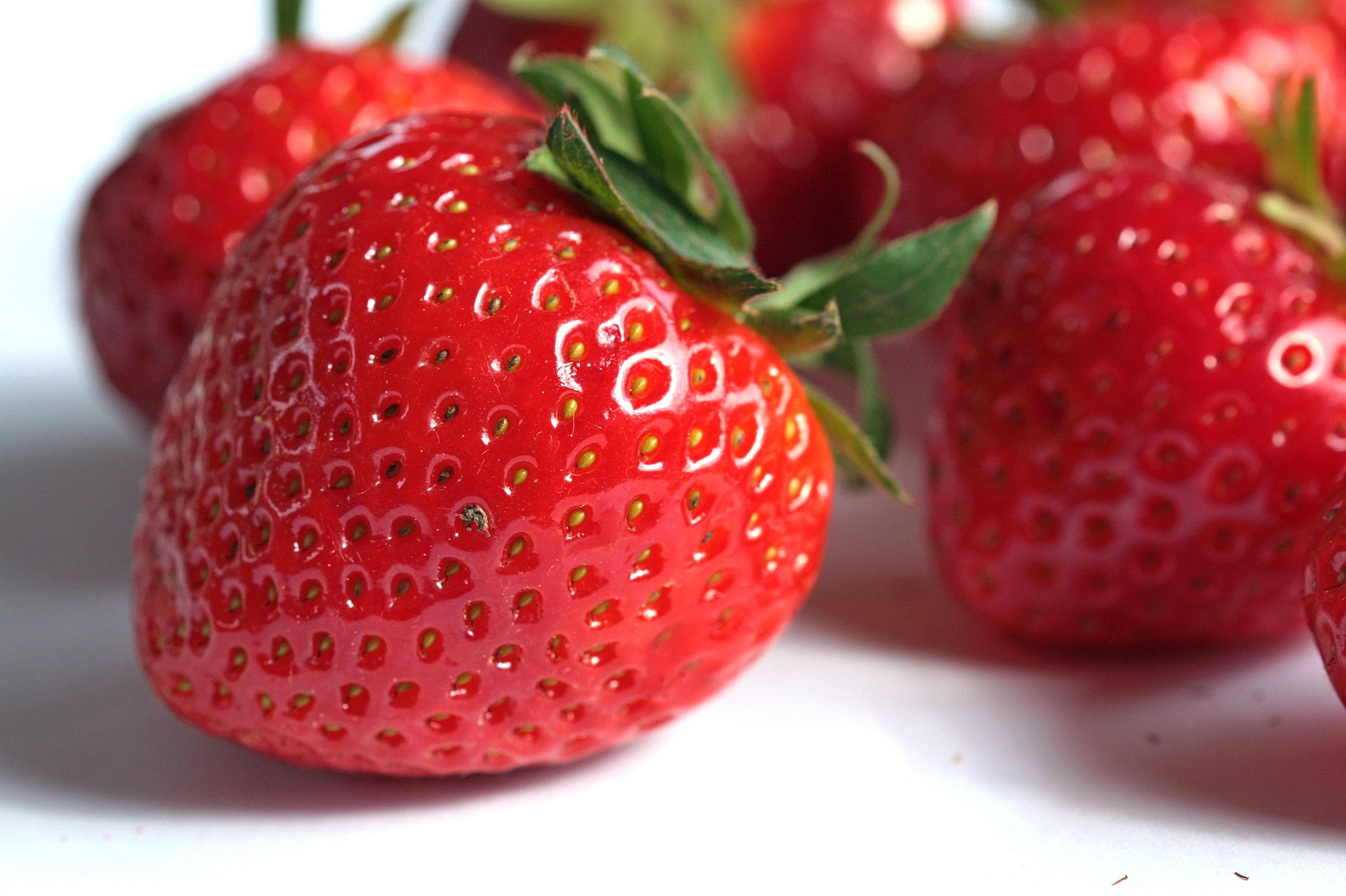
A perfectly ripe strawberry — deep red, fragrant, and sweet — is one of the great pleasures of the produce section. You can eat them as-is, slice them over yogurt or oatmeal, layer them into shortcake, or blend them into a summery smoothie. The key to the best strawberry experience: bring them to room temperature before eating. Cold dulls the flavor; room temperature lets that gorgeous sweetness and fragrance bloom.
Flavor & Uses
Taste and Uses
Flavor
sweettartfragrantjuicyfloral
Best for
fresh eatingshortcakejamssmoothiessaladsdipping in
chocolateyogurtbaking
Seasonality
In California
Jan
Feb
Mar
Apr
May
Jun
Jul
Aug
Sep
Oct
Nov
Dec
Peak seasonIn seasonOff season
Fun Fact
Strawberries are not technically berries — they're 'accessory fruits,' where the fleshy part develops from the receptacle rather than the ovary. The actual fruits are the tiny yellow-brown seeds (achenes) dotting the surface.
In the Kitchen
Recipes with This Ingredient

Learn More
Related Lessons
How to Store Produce Like a Pro
Most produce goes bad before its time — not because of bad luck, but because of bad storage. This lesson covers the three zones every kitchen needs, which fruits and vegetables belong where, and the single most common mistake that speeds up spoilage faster than anything else.
Understanding Ethylene: The Invisible Ripening Gas
Ethylene is a natural gas that fruits and vegetables produce as they ripen — and it travels to everything around them. This lesson explains what ethylene is, which produce items produce it, which ones are devastated by it, and how you can use it strategically to your advantage.