
How long will this last?
28
days when stored properly
Refrigerator
Storage location
32–34°F
Temperature
High / Moist
Humidity
Ethylene sensitive. Heads up — this item is sensitive to ethylene gas. Keep it away from bananas, apples, and tomatoes.
Pro tip
Remove green tops before storing — they draw moisture from the root. Keep in a sealed bag in the crisper. Never store near apples or pears; ethylene causes carrots to turn bitter. Baby carrots can be refreshed in cold water if they become limp.
About
Carrots are one of the most reliable vegetables you'll ever keep in your fridge — sweet, crunchy, and perfectly at home whether you're eating them raw as a snack, roasting them with a drizzle of honey, or simmering them in a cozy soup. You'll be amazed how much sweeter they taste when roasted versus raw. Keep a bag in your crisper and you'll always have something good to reach for.
Flavor & Uses
Taste and Uses
Flavor
sweetearthycrispslightly peppery
Best for
raw snackingroastingsoupsstewsjuicingstir-frysaladsglazed side dish
Seasonality
In California
Jan
Feb
Mar
Apr
May
Jun
Jul
Aug
Sep
Oct
Nov
Dec
Peak seasonIn season
Fun Fact
Carrots were originally purple and white — orange carrots were selectively bred in the Netherlands in the 17th century, possibly as a tribute to William of Orange. Purple varieties still exist and are making a comeback.
In the Kitchen
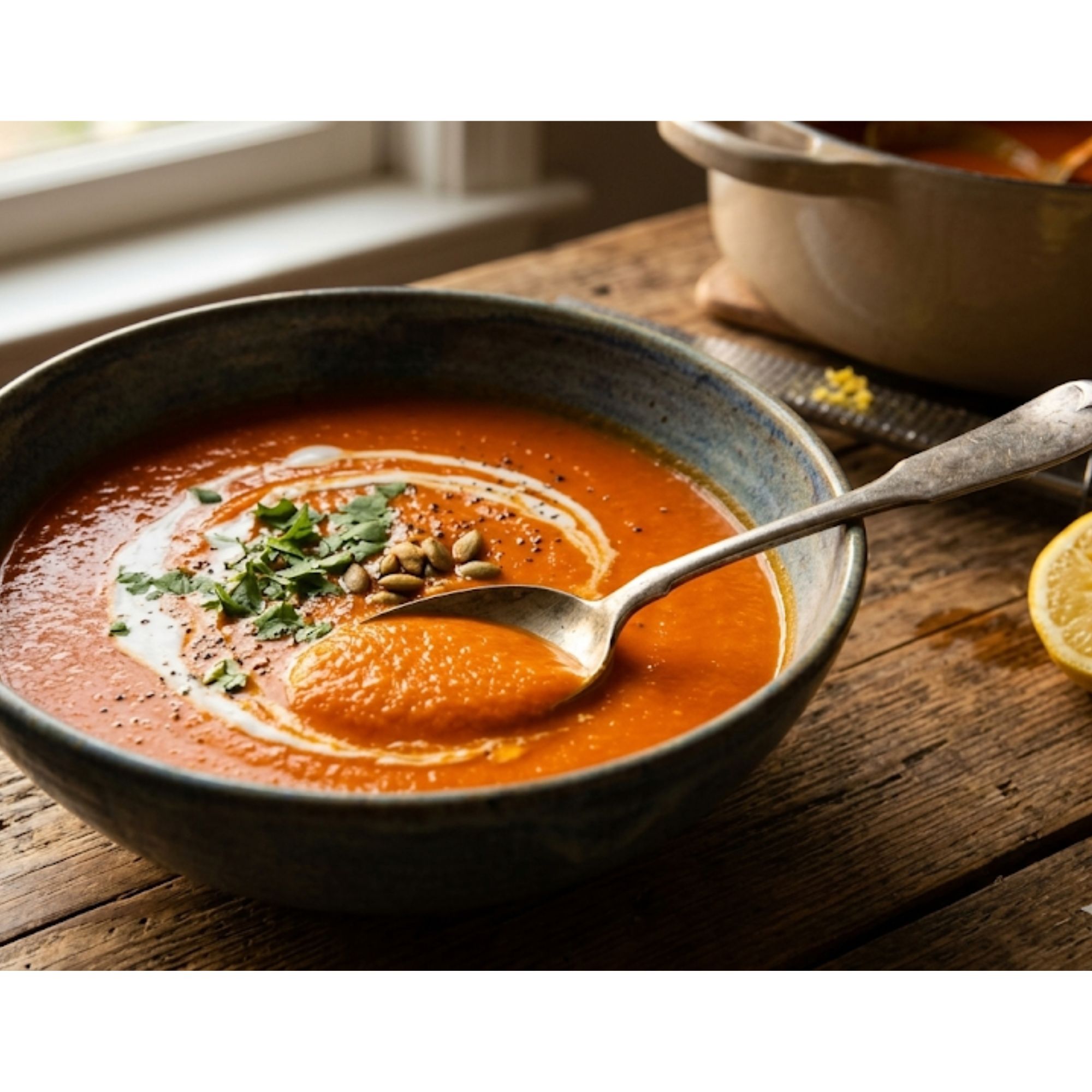
Recipes with This Ingredient
Learn More
Related Lessons
How to Store Produce Like a Pro
Most produce goes bad before its time — not because of bad luck, but because of bad storage. This lesson covers the three zones every kitchen needs, which fruits and vegetables belong where, and the single most common mistake that speeds up spoilage faster than anything else.
Understanding Ethylene: The Invisible Ripening Gas
Ethylene is a natural gas that fruits and vegetables produce as they ripen — and it travels to everything around them. This lesson explains what ethylene is, which produce items produce it, which ones are devastated by it, and how you can use it strategically to your advantage.