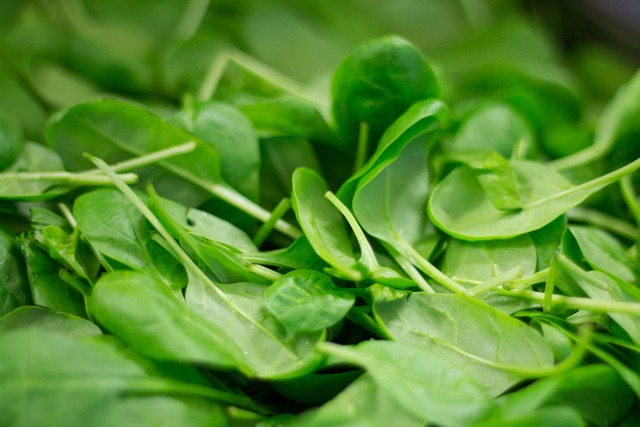
How long will this last?
7
days when stored properly
Refrigerator
Storage location
32–34°F
Temperature
High / Moist
Humidity
Ethylene sensitive. Heads up — this item is sensitive to ethylene gas. Keep it away from bananas, apples, and tomatoes.
Pro tip
Store in original bag or a loosely sealed container in the coldest part of the refrigerator. Do not wash until use — excess moisture accelerates sliminess. Keep away from ethylene-producing fruits. Use within 5–7 days. Discard any slimy or yellowed leaves immediately.
About
Spinach is one of the most effortlessly nutritious things you can eat — mild enough to blend invisibly into smoothies, tender enough to wilt beautifully into pasta, and satisfying enough to anchor a hearty salad. Baby spinach has a sweeter, more delicate flavor perfect for salads, while mature spinach stands up to sautéing and braising. Keep a bag in your fridge and you'll always have a green on hand.
Flavor & Uses
Taste and Uses
Flavor
mildslightly mineralearthytenderslightly bitter
(mature)
Best for
saladssmoothiessautéed greenspastasoupsquichedipswraps
Seasonality
In California
Jan
Feb
Mar
Apr
May
Jun
Jul
Aug
Sep
Oct
Nov
Dec
Peak seasonIn season
Good to know
High in vitamin K and oxalates — relevant for those on blood thinners or prone to kidney stones.
Fun Fact
Popeye's spinach-for-strength premise was based on a German chemist's decimal error in 1870 — the iron content of spinach was accidentally recorded as 35mg per 100g instead of 3.5mg. The myth persisted for decades.
In the Kitchen
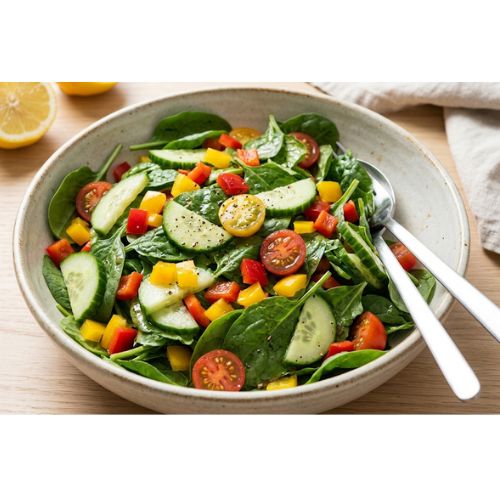
Recipes with This Ingredient
Learn More
Related Lessons
Understanding Ethylene: The Invisible Ripening Gas
Ethylene is a natural gas that fruits and vegetables produce as they ripen — and it travels to everything around them. This lesson explains what ethylene is, which produce items produce it, which ones are devastated by it, and how you can use it strategically to your advantage.
Reduce Your Food Waste Starting Today
The average American household wastes nearly a third of the food it buys — and most of that waste happens in the produce aisle. This lesson gives you practical, immediately actionable strategies to waste less, save money, and feel better about what's in your kitchen.