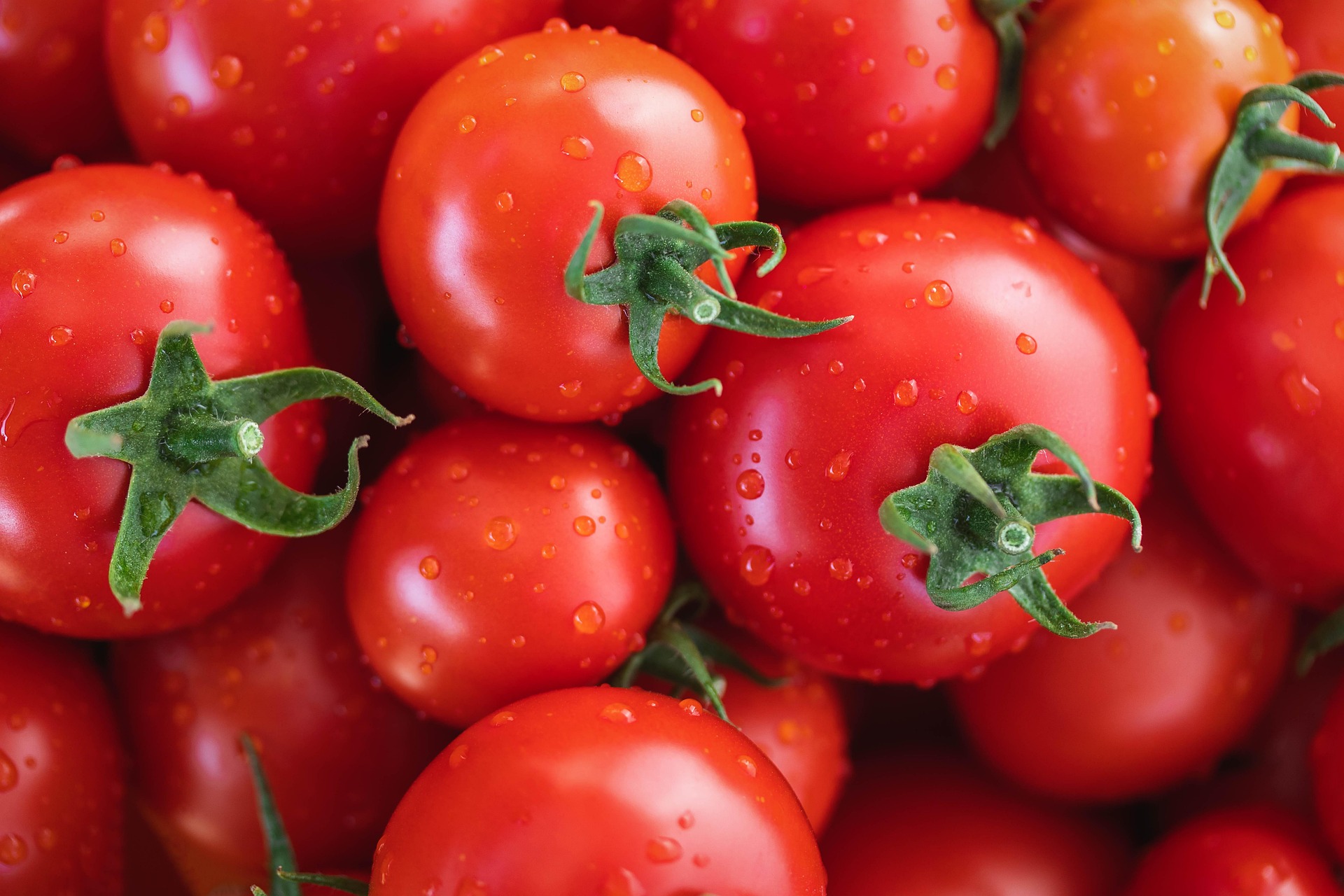
How long will this last?
7
days when stored properly
Counter
Storage location
55–70°F
Temperature
Moderate
Humidity
Ethylene producer. This one produces ethylene — the invisible ripening gas. Keep it away from ethylene-sensitive friends like leafy greens and broccoli.
Pro tip
Never refrigerate ripe tomatoes — cold destroys flavor compounds and causes mealy texture. Store stem-side down at room temperature. Refrigerate only if overripe and needing to slow deterioration; bring back to room temperature before eating. Keep away from ethylene-sensitive produce.
About
Botanically a fruit, culinarily a vegetable, and universally beloved — the tomato is one of the most important ingredients in the world. A ripe, summer tomato eaten at room temperature with just salt and olive oil is a transcendent experience. The cardinal rule: never refrigerate tomatoes. Cold breaks down the compounds that give them flavor and turns the flesh mealy. Keep them on the counter and eat them at their peak.
Flavor & Uses
Taste and Uses
Flavor
sweetacidicumamijuicyearthy
Best for
fresh saladssaucessalsaroastingsoupssandwichesbruschettacanning
Seasonality
In California
Jan
Feb
Mar
Apr
May
Jun
Jul
Aug
Sep
Oct
Nov
Dec
Peak seasonIn season
Good to know
Tomato leaves and stems are toxic — do not consume.
Fun Fact
In 1893, the US Supreme Court ruled in Nix v. Hedden that the tomato is legally a vegetable for tariff purposes — overriding botanical classification — because it is used as a vegetable in the 'ordinary' sense.
In the Kitchen
Recipes with This Ingredient
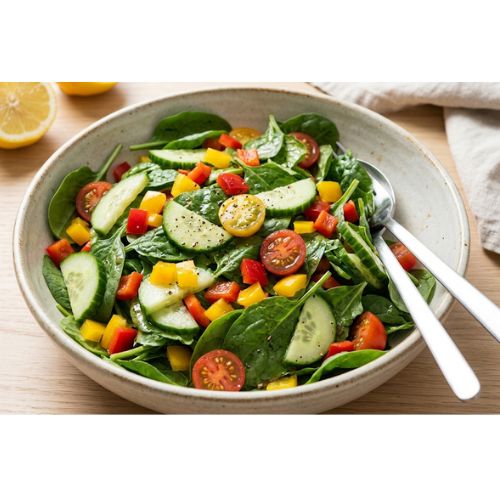
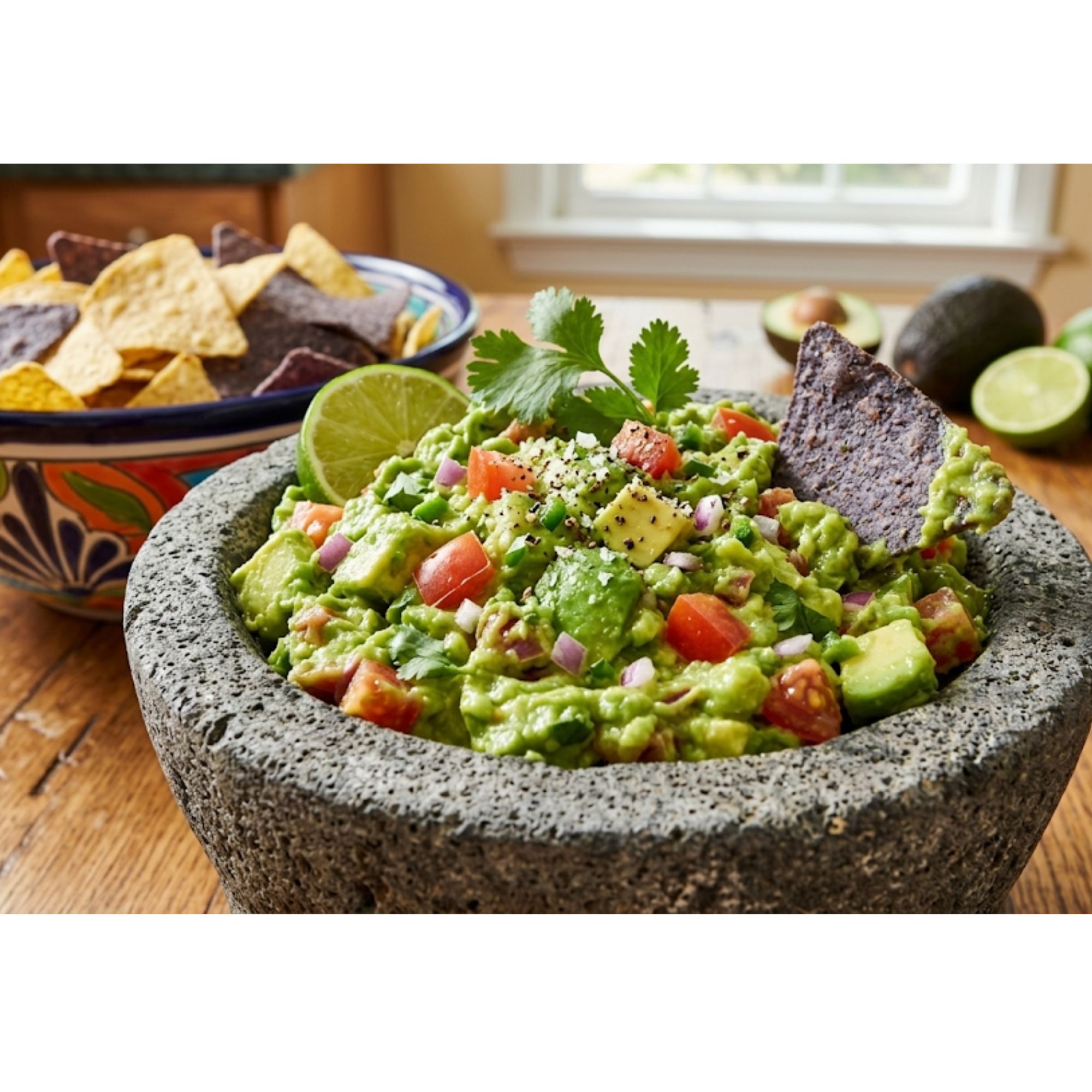
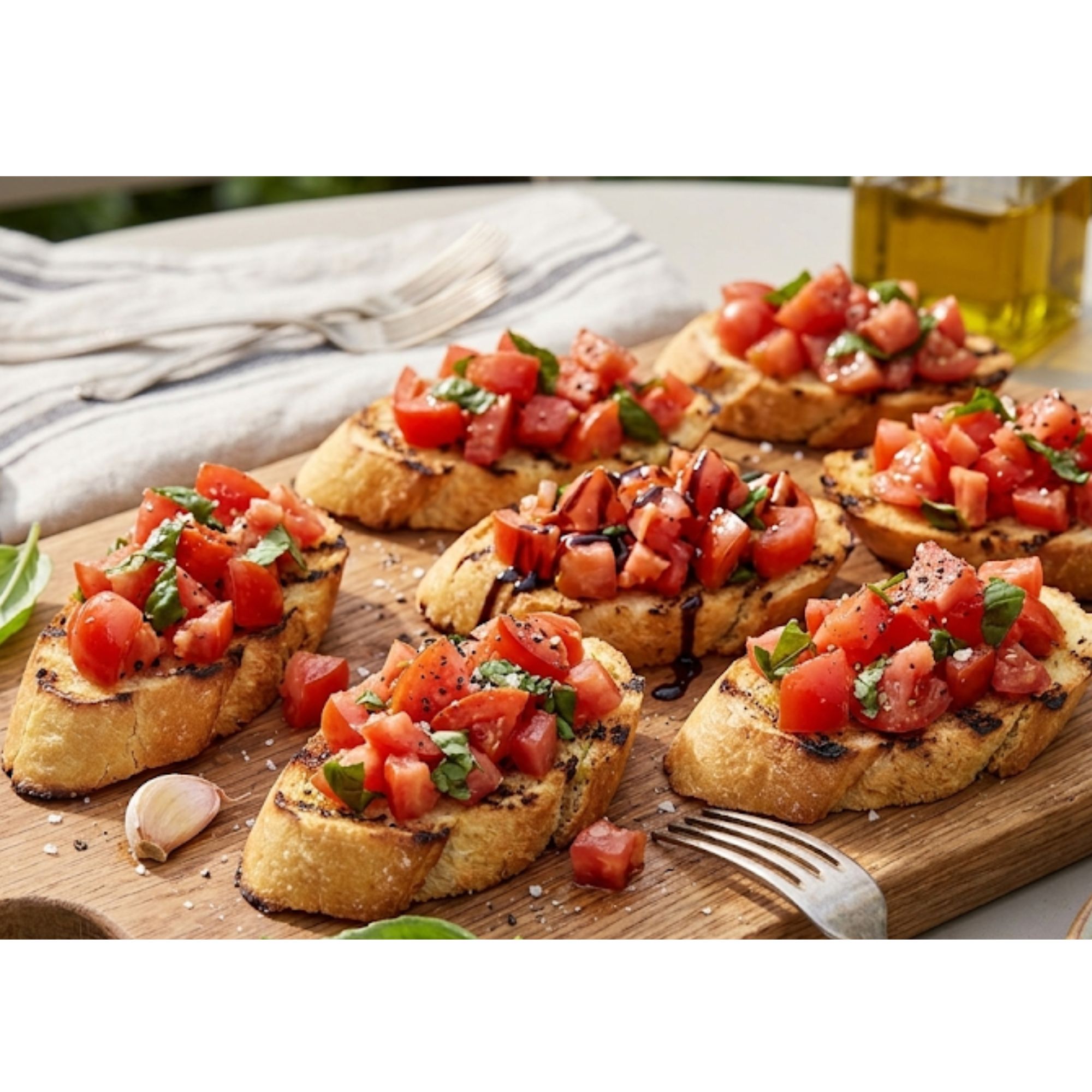
Learn More
Related Lessons
How to Store Produce Like a Pro
Most produce goes bad before its time — not because of bad luck, but because of bad storage. This lesson covers the three zones every kitchen needs, which fruits and vegetables belong where, and the single most common mistake that speeds up spoilage faster than anything else.
Understanding Ethylene: The Invisible Ripening Gas
Ethylene is a natural gas that fruits and vegetables produce as they ripen — and it travels to everything around them. This lesson explains what ethylene is, which produce items produce it, which ones are devastated by it, and how you can use it strategically to your advantage.