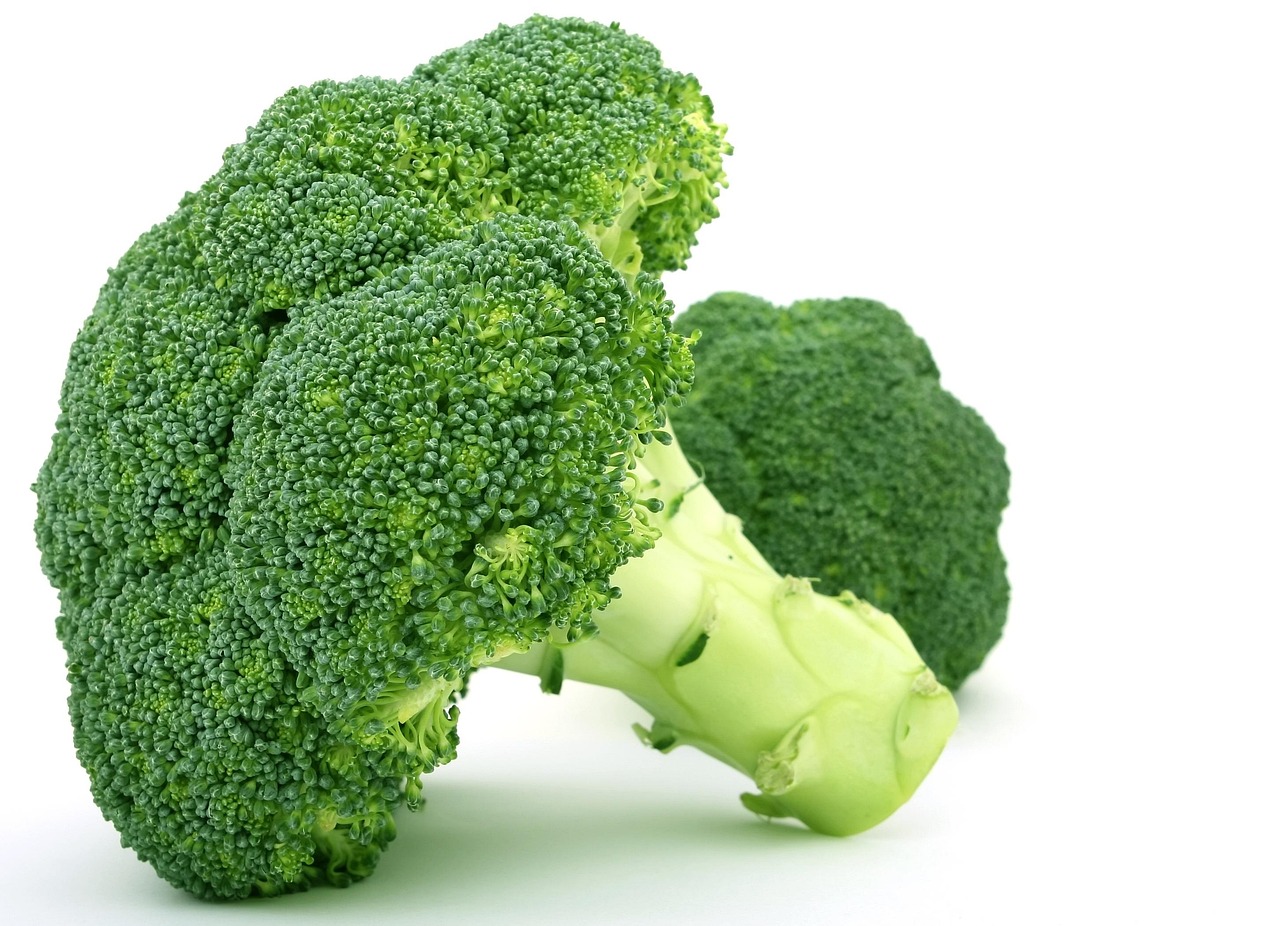
How long will this last?
7
days when stored properly
Refrigerator
Storage location
32–34°F
Temperature
High / Moist
Humidity
Ethylene sensitive. Heads up — this item is sensitive to ethylene gas. Keep it away from bananas, apples, and tomatoes.
Pro tip
Store unwashed in a loose or perforated bag to allow gas exchange. Keep away from ethylene-producing fruits — proximity accelerates yellowing. Use within one week. Cut florets deteriorate faster than whole heads.
About
Broccoli is the vegetable that went from childhood nemesis to beloved staple — and for good reason. When you roast it at high heat, the edges get crispy and almost nutty-sweet, completely different from the steamed broccoli of your youth. It's incredibly filling, works in everything from stir-fries to soups to pasta, and is one of the most nutrient-dense things you can put on your plate.
Flavor & Uses
Taste and Uses
Flavor
earthyslightly bitternutty (when roasted)freshmild
Best for
steamingroastingstir-frysoupsraw with dippastagrain bowls
Seasonality
In California
Jan
Feb
Mar
Apr
May
Jun
Jul
Aug
Sep
Oct
Nov
Dec
Peak seasonIn season
Fun Fact
Broccoli was engineered by humans — it was selectively bred from wild cabbage (Brassica oleracea) over thousands of years in the Mediterranean. The Romans were cultivating early versions over 2,000 years ago.
In the Kitchen
Recipes with This Ingredient
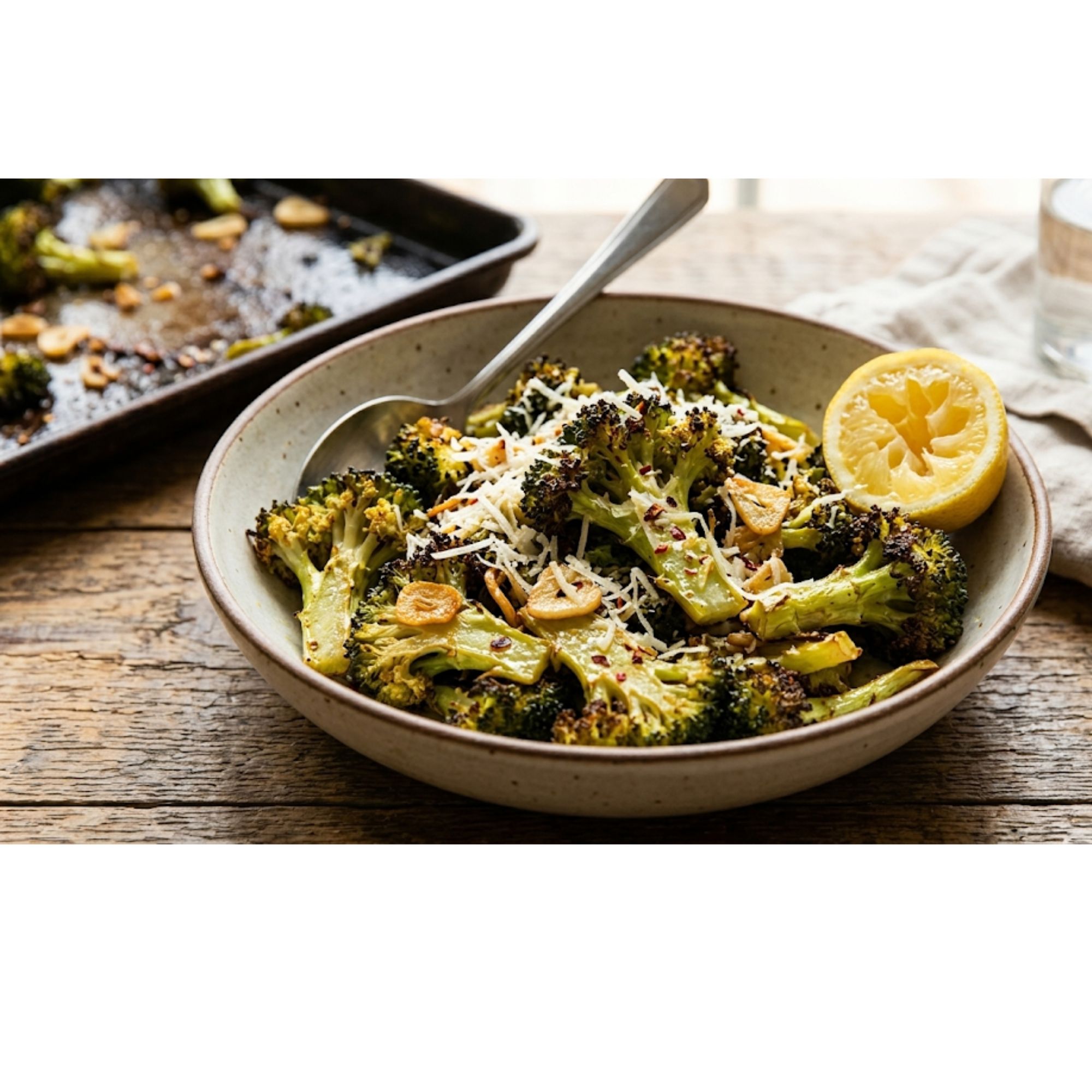
Learn More
Related Lessons
How to Store Produce Like a Pro
Most produce goes bad before its time — not because of bad luck, but because of bad storage. This lesson covers the three zones every kitchen needs, which fruits and vegetables belong where, and the single most common mistake that speeds up spoilage faster than anything else.
Understanding Ethylene: The Invisible Ripening Gas
Ethylene is a natural gas that fruits and vegetables produce as they ripen — and it travels to everything around them. This lesson explains what ethylene is, which produce items produce it, which ones are devastated by it, and how you can use it strategically to your advantage.